


The Trappery
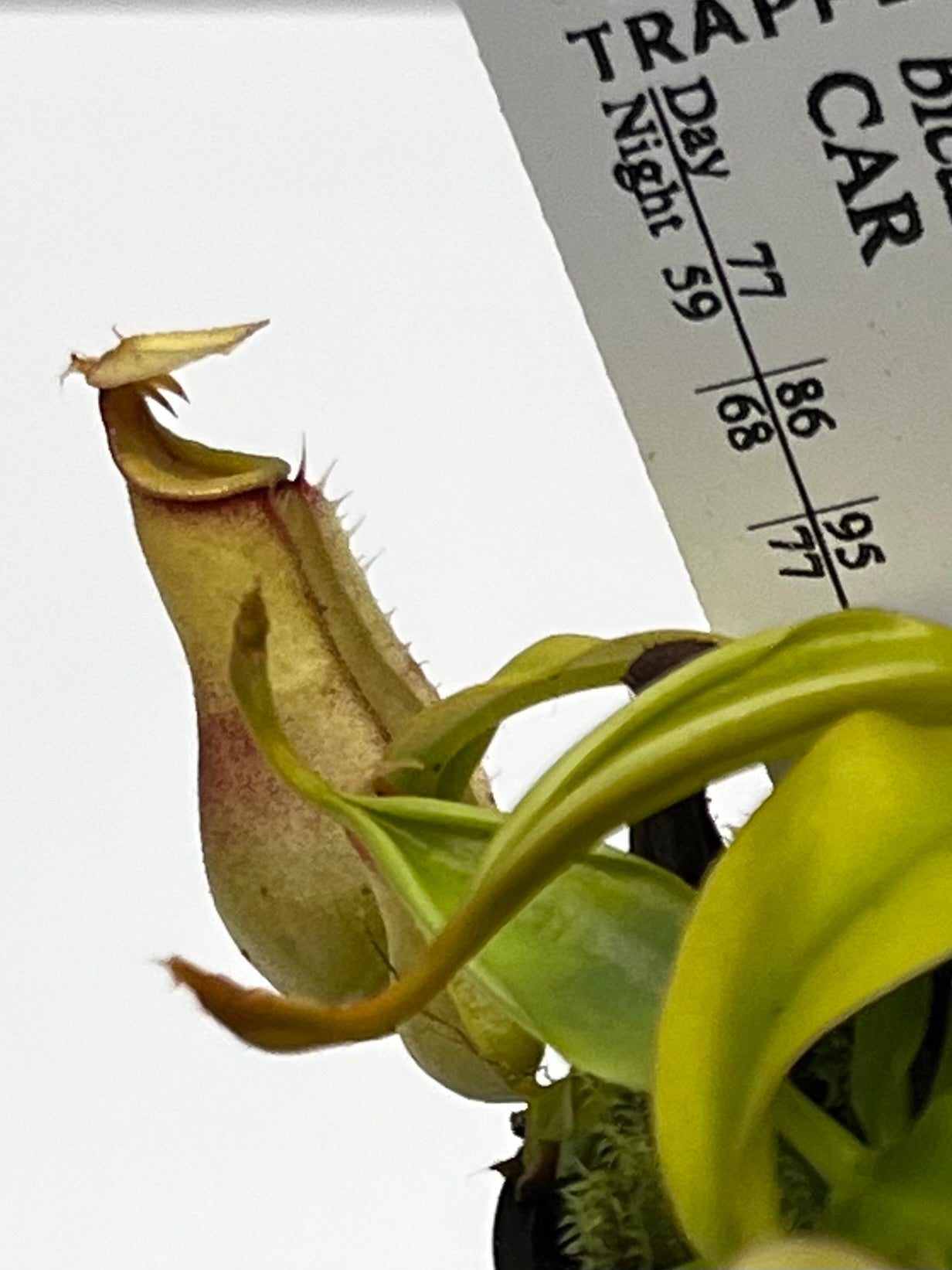
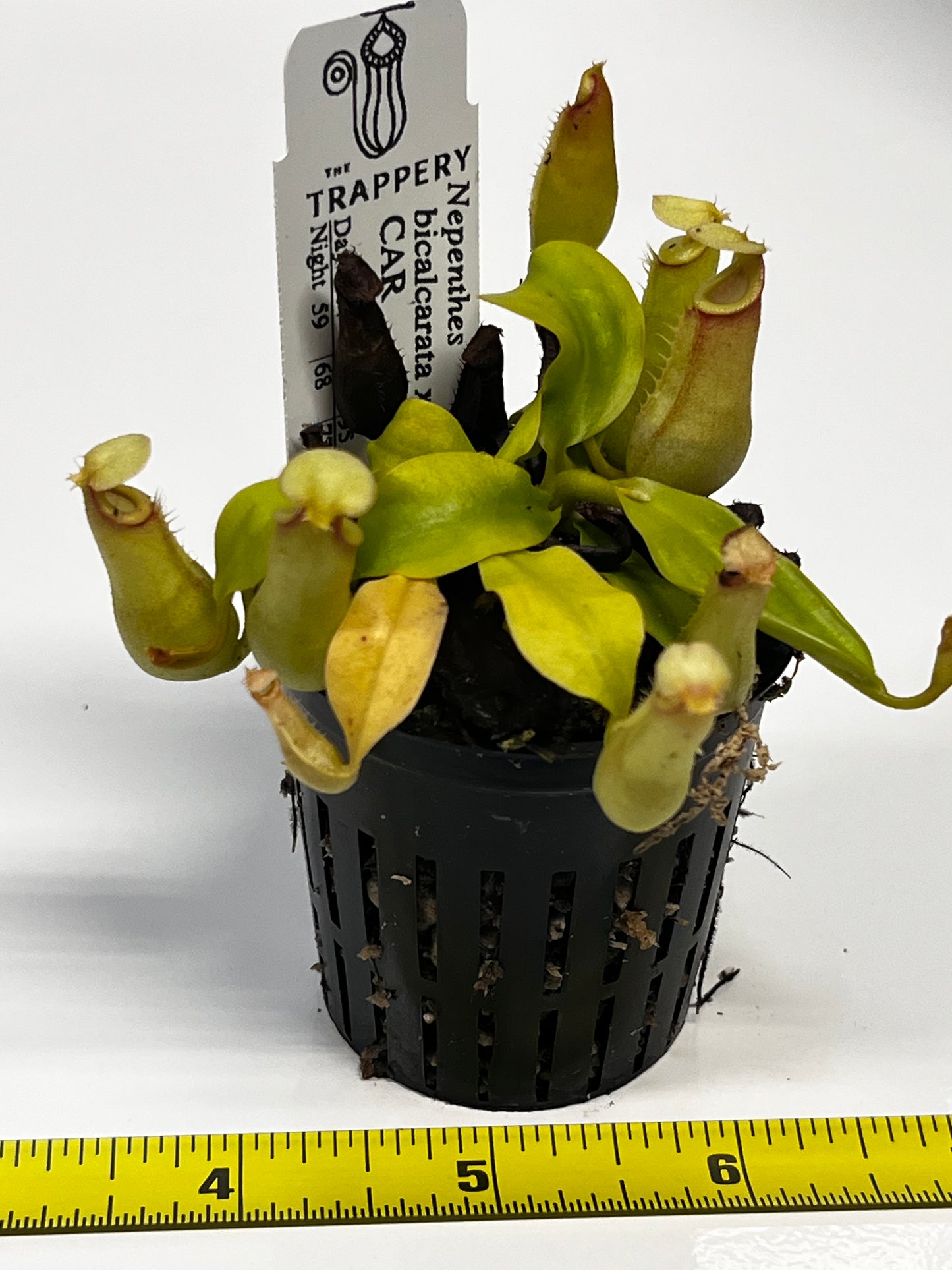
Nepenthes bicalcarata x ampullaria
Nepenthes bicalcarata x ampullaria
Nepenthes bicalcarata × ampullaria
A distinctive natural lowland hybrid blending the muscular growth and characteristic dentition of N. bicalcarata with the compact form and basal-pitcher tendencies of N. ampullaria. Appreciated for its strong vegetative vigor and developing pitcher character as plants mature. Under warm, humid conditions, growth is steady and robust, with pitchers gradually showing increased influence from both parents. Best suited for growers interested in lowland Nepenthes with structural presence rather than immediate coloration.
- Experience Level: Intermediate to Advance
- Light: Bright indirect to high
- Humidity: High
- Temperature: Lowland
- Growing Environment: Greenhouse or warm terrarium recommended
Couldn't load pickup availability

Collapsible content
A Tropical Pitcher Plant Grow Guide
Tropical pitcher plants (Nepenthes) are among the most dramatic and rewarding carnivorous plants to grow. Known for their colorful, fluid-filled pitchers that trap and digest insects, species like Nepenthes ventricosa, bicalcarata, and rafflesiana are excellent for both beginners and experienced growers. With the right care, they grow year-round and develop stunning pitchers that captivate and fascinate.
Key Care Requirements
Light: The Engine for Pitcher Growth
Nepenthes require bright, filtered light to grow strong leaves and form beautiful pitchers. Light triggers pitcher development and fuels the photosynthesis that powers growth.
- Natural Light: Place your Nepenthes in a location with bright, indirect sunlight. A few hours of gentle morning or late-afternoon sun are ideal, but avoid harsh midday rays, which can scorch leaves.
- Artificial Light: If growing indoors, use a full-spectrum LED grow light. Keep the light 6–12 inches above the plant and run it for 12–14 hours per day.
- Check out our cultivation guide about Light
Pitcher Tip:
Leaf color turning slightly red or bronze is a good sign of strong light. Bleached or curled leaves? That’s too much.
Water: Low TDS or Bust
Nepenthes roots are adapted to clean, mineral-free environments. Water with high TDS (total dissolved solids) can lead to salt burn, pitcher collapse, and root rot over time.
- Golden Rule: Always use distilled water, rainwater, or reverse osmosis (RO) water with <50 ppm TDS.
- Method: Top-water the soil until it drains out the bottom. Do not use the tray method or let the plant sit in standing water—it can cause root rot.
- Flush Monthly: Rinse the media with clean water to remove any buildup.
- Check out our cultivation guide about Water
Soil: Loose, Airy, and Nutrient-Free
Nepenthes grow in ultra-poor mountain or jungle soils and rely on their pitchers for nutrients, not their roots. Your goal is to provide a mix that stays moist but drains well.
Recommended Mix:
- 1 part long-fiber sphagnum moss
- 1 part perlite or pumice
- 1 part orchid bark
- 1/5 part peat moss (optional)
- Never Use: Standard potting soil, compost, fertilizer, or vermiculite. These will suffocate or burn the roots.
- Check out our cultivation guide about Soil
Temperature & Humidity: Match the Origin
Nepenthes are either lowland (hot/humid) or highland (cool/wet), and each group has specific temperature needs. Know your species!
Lowland Species:
- Day: 80–90°F (27–32°C)
- Night: 70–78°F (21–26°C)
- Humidity: 70–100%
Highland Species:
- Day: 70–80°F (21–27°C)
- Night: 45–60°F (7–16°C)
- Humidity: 60–90%
- Nighttime cooling is essential
Intermediates: Can thrive in average household conditions if humidity is boosted.
Check out our cultivation guide about Temperature
Check out our cultivation guide about Humidity
Tools to Help:
Ultrasonic humidifiers, shaded greenhouse panels, or grow tents with fans/humidity control.
Feeding: Optional but Effective
Nepenthes are perfectly happy catching their own food, but feeding can enhance growth and pitcher production. Insects provide nitrogen, phosphorus, and micronutrients that boost vigor and coloration.
- Method: Drop a small insect (gnat, ant, fruit fly) into a pitcher every 2–4 weeks. Only feed mature pitchers that contain fluid.
- Fertilizer (Optional):
- Use MaxSea 16-16-16 or another urea-free fertilizer
- Apply as a foliar spray or drop into pitchers at 1/4 tsp per gallon
- Feed once a month max
- Place one pellet of timed release Nutricote fertilizer 18-6-8 per inch of container diameter on soil surface. Lasts 6 months
- Check out our cultivation guides about Nutrients
Pro Tips from The Trappery
- Vining? Loop the stem back down to encourage basal shoots.
- Struggling with pitchers? Improve humidity or increase nighttime drops.
- Reducing pitcher loss? Use pure water, stable light, and avoid repotting too often.